By CHRISTINE SIEBUHR
Drivers entering Cambria may have noticed a speed feedback sign along northbound Highway 1. The California Highway Patrol, under the direction of Commander Darren Gennuso, is deploying these signs as part of a rotating rural road safety program to promote awareness and safer driving. Although the sign is not connected to the Highway 1 corridor study, it offers a timely reminder of the safety questions the upcoming study will explore along this stretch of the North Coast.
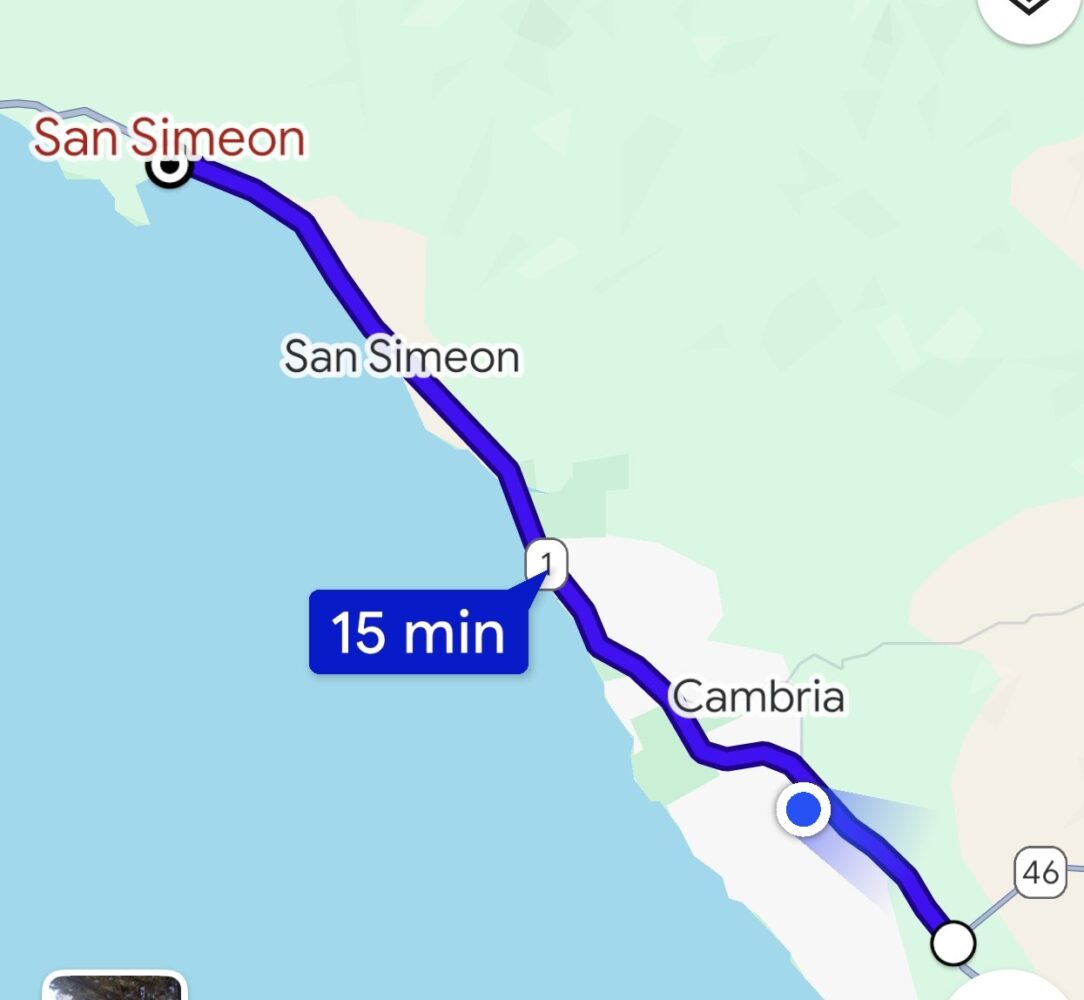
The San Luis Obispo Council of Governments (SLOCOG), in partnership with Caltrans, has received grant funding to conduct the Highway 1 San Luis Obispo North Coast Resiliency and Safety Plan, a multi-year planning study focused on safety, resilience, and connectivity along the Highway 1 corridor through Cambria and San Simeon.
Together as a community, working alongside regional and local public agencies and councils, our voices helped support this $400,000 safety study. The study is anticipated to begin in 2026 and extend into 2027, allowing time for data collection, analysis, and public engagement.
The study will examine a range of issues affecting the Highway 1 corridor, including:
–Traffic safety, with the goal of identifying strategies to reduce crashes and improve conditions for all users.
–Climate and coastal resilience, including flooding, storm surge, erosion, landslides, and wildlife-vehicle conflicts.
–Community connectivity, including walking, biking, and access to regional routes such as the California Coastal Trail and nearby recreation areas.
Planned engagement activities include pop-up community events, a public workshop, development of a project website, and other opportunities for public input throughout the process.
SLOCOG has also invited representatives from the North Coast Advisory Council (NCAC) and the Cambria Community Services District (CCSD) to participate in coordination and provide feedback as the study moves forward.
Later phases of the study will include assessments of safety conditions, climate vulnerabilities, and priority assets along the corridor, followed by development of recommended strategies. Findings and recommendations will be shared with the public.
Community participation was a key part of the application materials, including a petition signed by more than 600 residents, along with letters of support from elected officials, local advisory councils, and service districts. Thanks are due to John DiNunzio and the San Luis Obispo Council of Governments. The resulting study goes well beyond what was wished for!
Outreach will begin spring summer 2026.